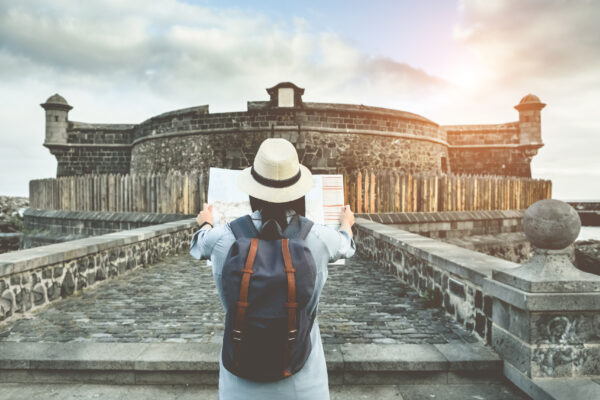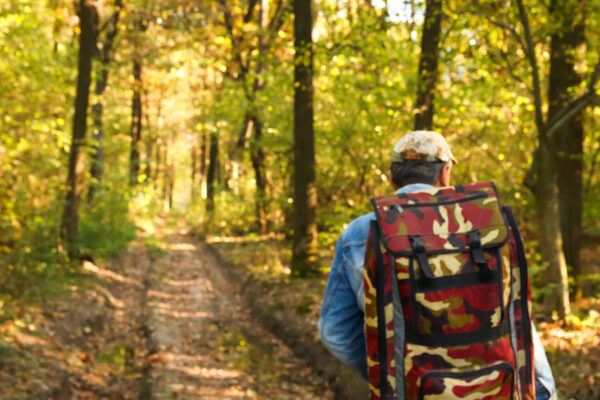

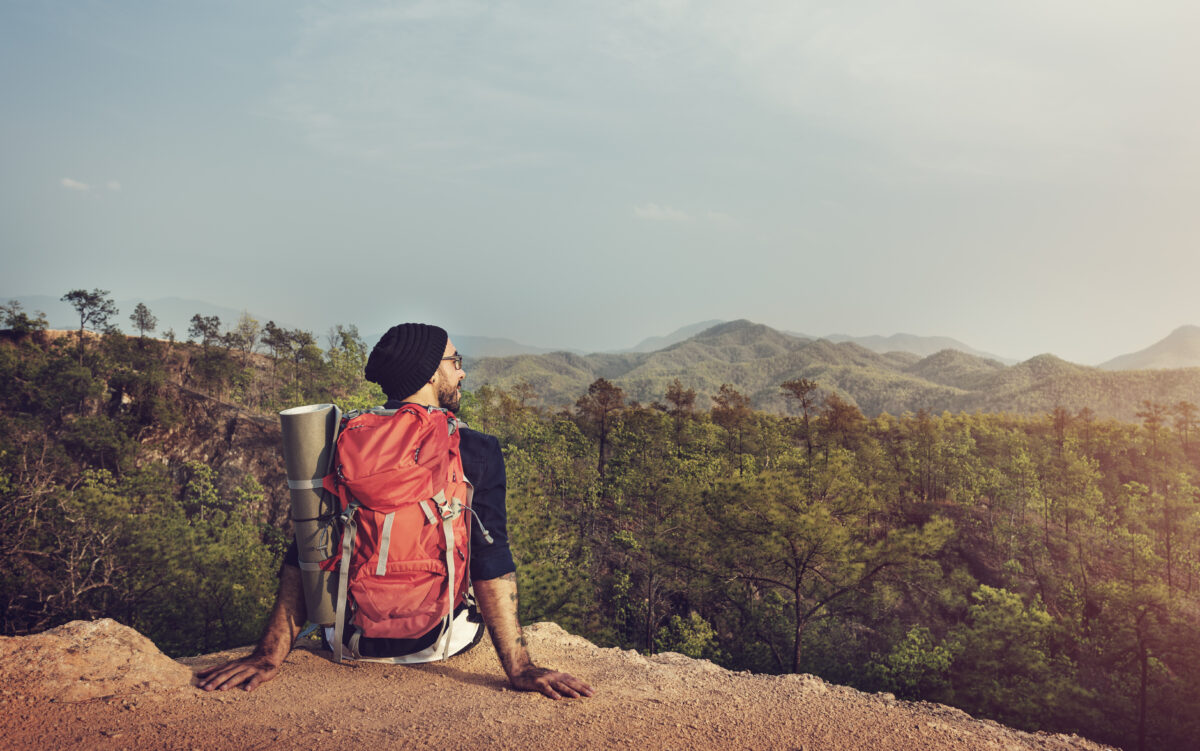


There are many ways to travel on a budget. One of the best options is backpacking which provides opportunities to travel to several locations within an affordable budget. This type of travel implies simplicity, flexibility, and wise expenditure. Those who travel backpacking appreciate its convenience and enjoy freedom and exciting experiences they get from this kind of vacation.
Backpacking Tips
A traveler needs to follow many rules when he/she decides to become a backpacker.
Light Pack
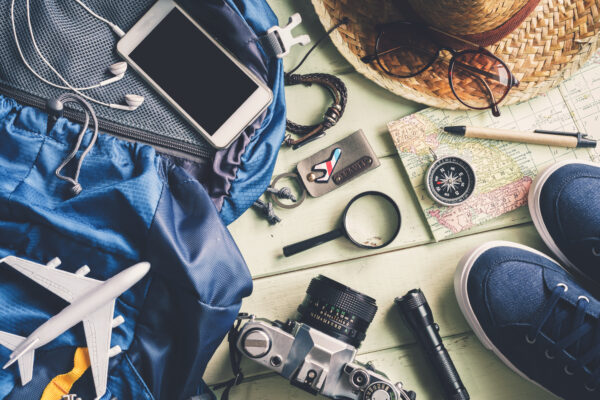
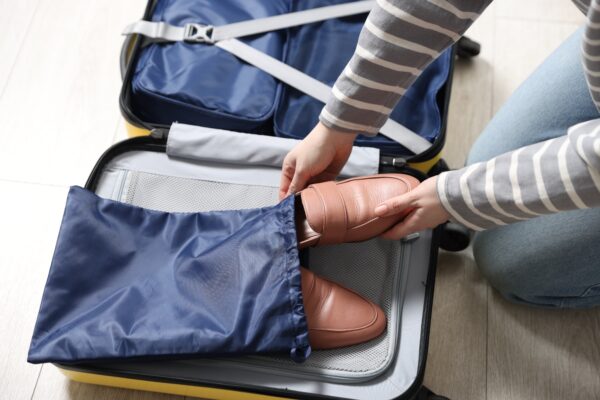
First of all, one should be able to pack well. As backpacking implies traveling with a single backpack, a traveler will need only essential items including:
- Clothing according to weather
- Walking shoes
- Necessary toiletries
- Important documents
Avoiding overweighted bags will also decrease extra charges when you take a plane.
Affordable Accommodation
Accommodation is usually one of the major expenses while traveling. However, it’s easy to find inexpensive lodging places.
Possible variants of lodging include:
- Budget hostels (with communal rooms)
- Guest houses and budget hotels
- Homestays in local families
Hostels are one of the most frequently chosen kinds of accommodation by backpackers. They are inexpensive and provide an opportunity to meet people from different countries.
Cheap Transportation
One should think about means of transport as traveling can imply huge expenses. However, it’s possible to use public transportation and save money this way.
Available inexpensive kinds of transport include:
- City busses and subways
- Trains and intercity buses
- Bicycle renting in urban areas
It can give you an impression of being closer to local residents and the atmosphere of the destination country.
Economy in Food Consumption
In addition, it’s also necessary to pay attention to food while traveling as otherwise it may be quite expensive.
The most common tips are:
- Eating local street food
- Looking for local food stands
- Cooking some meals in hostels
This way, one won’t spend much money but will still have delicious dishes.
Slow Traveling
Another good idea for those who decide to become backpackers is to travel slowly.
The benefits of such approach are:
- Saving transport money
- Having enough time to discover each location
- Discovering local culture
Spending more time in one location allows finding cheaper accommodation and food there.
Discovering Free Attractions
While traveling, it’s useful to look for free attractions and opportunities.
For example:
- Taking free guided walks
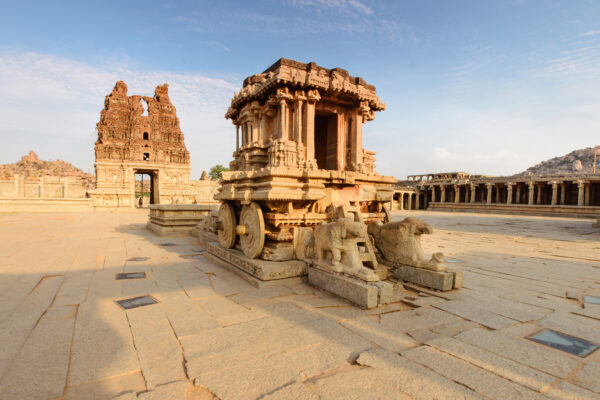
- Visiting parks, museums, historical and religious objects
- Participating in local celebrations
It can add value to your traveling experience without making additional expenses.
Travel Insurance
In addition, it’s useful to purchase a travel insurance when going backpacking, especially if you plan a long journey.
Travel insurance will cover your costs related to:
- Medical problems
- Damaged luggage
- Unforeseen changes in plans
Thus, you will always be ready for any unexpected situations.
Connecting to Other Travelers
It’s a good idea to connect with other travelers during traveling.
Travelers usually share:
- Accommodation and transport expenses
- Various advice
- Friendship during their travels
It’s considered that backpackers are always friendly and willing to exchange contacts.
Conclusion
Therefore, backpacking is one of the most convenient kinds of traveling. Using various approaches such as packing light, buying inexpensive accommodation and transportation, saving money while eating and exploring destinations, and purchasing travel insurance can make your traveling comfortable.