
The ability to manage your budget is extremely important for any traveler, because a proper budgeting plan will not let you go over the required limit, keep everything under control, and spend the money accordingly during your trip. Moreover, with proper budget management, you will be able to save your money and thus be able to travel more often. The following guidelines can show you how to travel with less expenses and more satisfaction.
Set Up a Realistic Budget Before You Begin Traveling
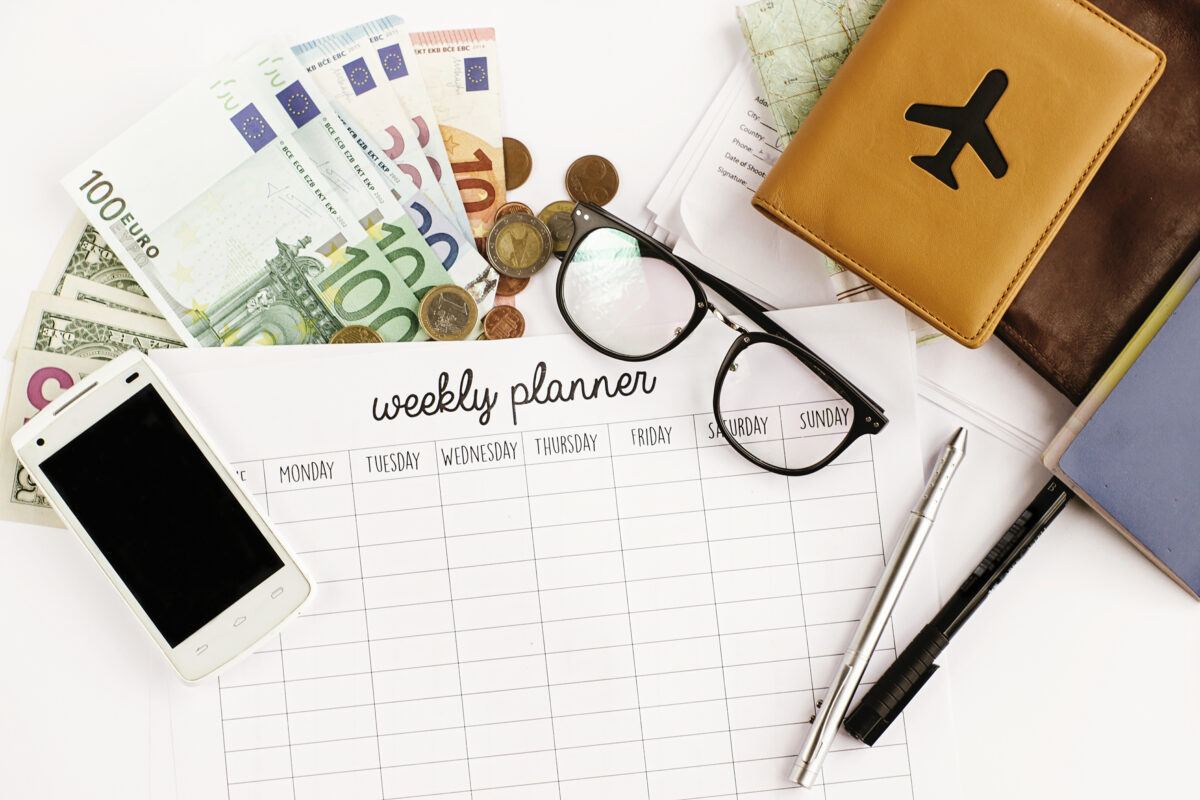
Before starting your trip, estimate what you can spend in the course of your journey and divide your budget into several aspects: food, transportations, and other types of activities. Such division will give you an idea of how much you can spend on each of these activities and prevent unnecessary expenses.
Track All Expenses Daily
It will help you to maintain your budget under control, as it will provide you with information about the amount you spend every day and whether it is possible to reduce the expenses if necessary. Nowadays, there are many applications that allow you to track your money easily; such applications as Trail Wallet or Splitwise will make the process even simpler. Additionally, it is possible to note down your expenditure just using the notes on your smartphone.
Concentrate on Important Activities
Many activities you may do when traveling are very interesting; however, it does not mean that you have to pay for all of them. Make a list of those activities that are important for you and allocate money to cover their cost. Moreover, you can make some sacrifice and spend a little bit more on a certain aspect of your journey by reducing expenditures on other things.
Do Not Buy Useless Things During Your Trip
When you are traveling, you may desire to buy lots of different souvenirs, engage in buying, and visit luxurious restaurants; unfortunately, it leads to increasing the amount you need to spend on your trip. Therefore, think before you start spending your money; ask yourself whether this or that purchase will be important for you in the future.
Use Different Forms of Payment
Sometimes, it is useful to carry cash when traveling, as sometimes it is difficult to use other forms of payment. Nevertheless, in order to facilitate the process of paying for goods and services, you should install applications that support the possibility to pay for them easily; for example, Google Pay is really helpful.
Have an Emergency Fund Separately from the Main Budget
Unexpected events, problems, and expenses may occur unexpectedly while traveling; therefore, to avoid additional trouble, you should always have an emergency budget in case some kind of emergency arises.
Make Adjustments to Your Budget Plan in the Course of Your Journey
Of course, unexpected situations take place very often, and you can face problems concerning your travel expenses. However, in order to cope with them efficiently, try to reduce the amount you spend on something else in order to keep your budget plan working.
Book Everything in Advance to Save Money
As you know, if you book your flights, hotel room, and various activities in advance, it will save you more money. Conversely, late bookings lead to increased prices and decreased opportunities to choose the variant you will like.
Choose Economical Accommodation
Instead of choosing expensive hotels, consider cheaper variants, like hostels or guesthouses. Additionally, it is worth thinking of engaging in group accommodation or renting a house or apartment to save your money.
Set Your Daily Spending Limit
Allocate your budget according to the number of days of your trip, and thus set the daily spending limit. It will make you control the way you spend your money on a certain day and will help to save a little bit for a later day.
Search for Discounts and Offers
You should look for all kinds of discounts and attractive deals before booking any service or attraction and save money in this way. Furthermore, tourists’ cards will make your visits cheaper and more pleasant.
Exchange Currency with Care to Avoid Additional Expenses
It is important to know about the exchange rate to avoid overpaying; therefore, never change money in airports or tourist areas. Try to use trustworthy currency exchange companies or withdraw money from bank machines.
Pack Light to Save Money on Transportation and Baggage
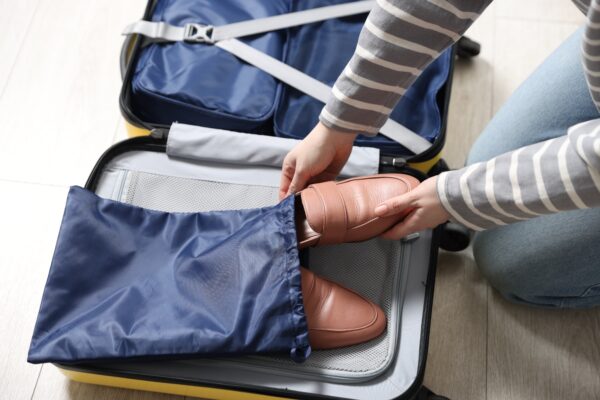
If you travel light, you will not face any problems related to extra charges on your flights, and it will become more convenient for you to use public transport.
Conclusion
With proper budget management, you will save money during your travels and spend it more rationally.